
VMware Price Increase 2026: What MSPs Must Prepare For
- 04/23/2026
- Posted by: Anastasiia
- Category: IT
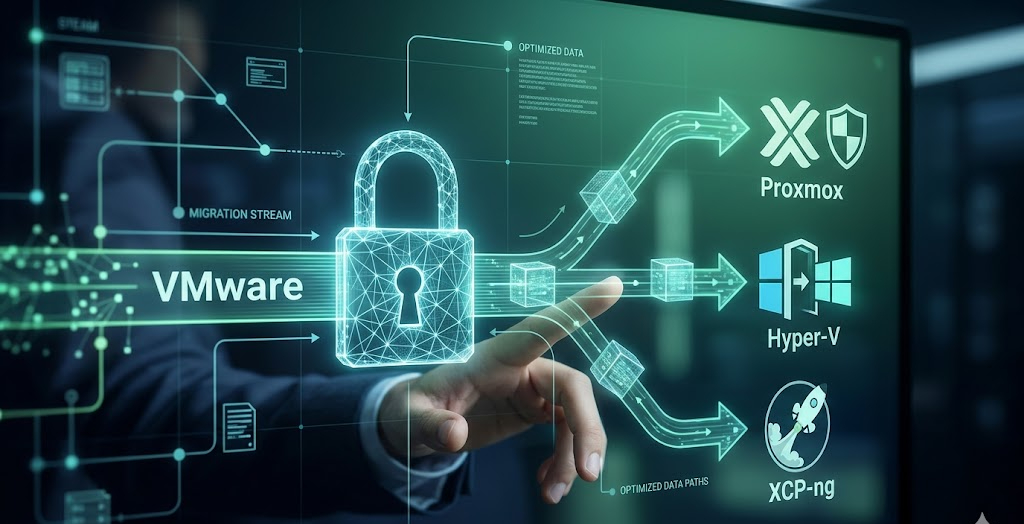
In 2026, VMware pricing has become one of the most critical IT topics for Managed Service Providers. After the completion of Broadcom’s acquisition of VMware, the company restructured its licensing and pricing models, creating unprecedented cost increases across its product portfolio. While VMware remains a dominant virtualization platform, these pricing changes have triggered both financial concerns and strategic planning among MSPs worldwide. Understanding these changes and preparing your MSP business for them is not optional — it’s essential for sustainable operations and competitive service offerings.
Why VMware Is Increasing Prices in 2026
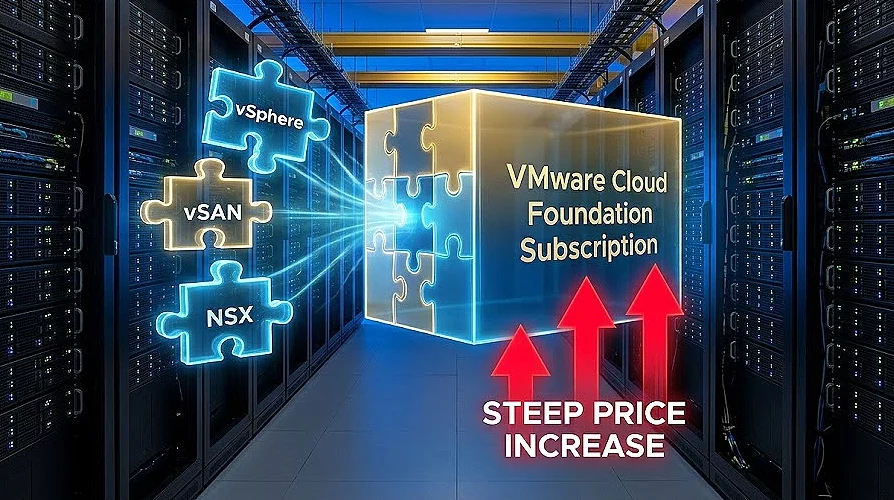
VMware’s pricing overhaul in 2026 stems from significant structural changes following its acquisition by Broadcom. The transformation includes not only higher subscription costs but also a streamlined licensing portfolio that consolidates many standalone products into broader subscription bundles such as VMware Cloud Foundation (VCF) and vSphere Foundation.
Several factors are driving these pricing adjustments:
- Shift to Subscription‑Centric Model: VMware has largely phased out perpetual licenses, moving customers toward annual or multi‑year subscriptions that bundle compute, storage, networking, and management components.
- Consolidated Product Bundles: Instead of dozens or hundreds of individual SKUs, customers must now purchase larger suites like Cloud Foundation, often at higher baseline costs.
- Minimum Licensing Requirements: Many new contracts include minimum core purchases, increasing baseline costs even for smaller environments.
This model increases upfront and ongoing costs, especially for providers with extensive VMware deployments, effectively shifting the cost burden from optional upgrades and support renewals to mandatory subscription commitments.
Impact of the VMware Price Increase on MSPs
For MSPs, the VMware price increase translates to several business challenges and operational pressures:
1. Higher Operating Costs
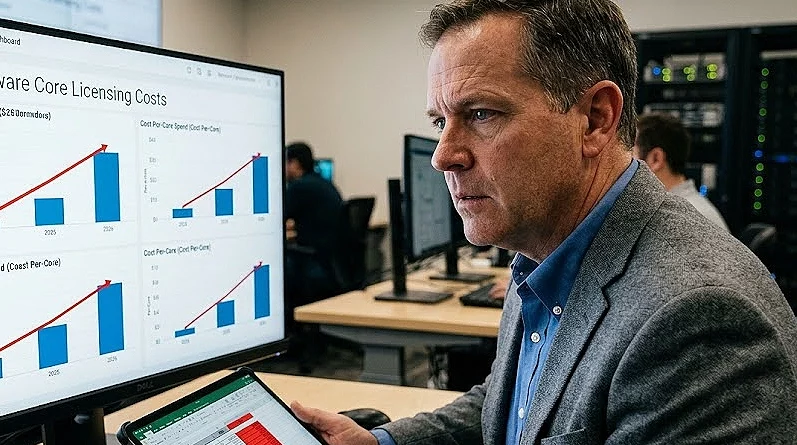
New pricing structures often charge per CPU core and require minimum commitments — meaning MSPs end up paying for cores they may not fully utilize. In 2026, median costs for VMware subscriptions (including Cloud Foundation and vSphere bundles) can vary widely based on deployment size, but were observed at tens of thousands of dollars annually for mid‑sized environments.
2. Budget Planning Complexity
With subscriptions tied to core counts and multi‑year terms, forecasting annual MSP budgets becomes more complex. Cost forecasting must now account for renewal timing, expected core growth, and support tier changes, all of which directly affect MSP pricing strategies and profitability.
3. Client Service Pricing Adjustments
MSPs often bundle VMware costs into client billing for virtualization or cloud hosting services. Sudden price increases can squeeze margins unless providers adjust their service pricing, renegotiate client contracts, or find internal efficiencies.
4. MSP Strategic Decision Making
Some MSPs are evaluating whether to continue offering VMware as a core service, given the increased pricing pressure. As seen in industry trends, many organizations are now exploring alternative virtualization strategies or hybrid models that combine VMware with lower‑cost options.
These impacts make it imperative for MSP decision‑makers to reassess both infrastructure and service pricing strategies.
Key VMware Products Affected by the 2026 Price Hike
VMware vSphere Foundation
vSphere Foundation remains a primary virtualization stack for compute workloads. In 2026, pricing is typically tied to core counts and minimum commitments. While vSphere retains its technical strengths, support and subscription costs contribute to increased total cost of ownership compared with legacy perpetual licenses.
VMware Cloud Foundation (VCF)
VCF packages compute (vSphere), storage (vSAN), networking (NSX), and management (Aria) into one subscription bundle. This all‑in‑one approach simplifies licensing but significantly raises costs as MSPs pay for components they may not fully use.
Support and Professional Services
Support tiers and professional services add to the total cost, often increasing annual expenses by up to 20–30% beyond core subscription fees. These combined costs must be baked into MSP pricing models to avoid eroding profit margins.
Strategies for MSPs to Manage VMware Cost Increases
While 2026’s pricing landscape presents challenges, proactive MSPs can mitigate cost impacts with strategic planning:
Negotiation and Renewal Timing
Negotiating early and leveraging multi‑year commitments can yield better pricing. Discounts of 15–35% are common for well‑prepared negotiations. Evaluating alternative vendors during negotiations also strengthens your bargaining position.
Optimization of Licensing Footprint
Reviewing and rightsizing your VMware deployments can yield savings. This includes retiring unused VMs, consolidating workloads, and aligning core licenses more efficiently with workload demands.
Bundling MSP Service Offerings
Integrating VMware costs into service bundles (e.g., managed virtualization services, monitoring, and backup) can help distribute costs across recurring revenue streams, making them less noticeable for clients.
Exploring Hybrid Delivery Models
Pairing VMware with cloud resources or alternative hypervisors for less critical workloads can reduce subscription costs while maintaining performance where needed most.
VMware Alternatives for MSPs in 2026
Due to cost pressures and licensing changes, many MSPs are evaluating alternative virtualization platforms that can offer more predictable pricing and flexibility:
Proxmox VE
An open‑source virtualization platform that integrates KVM and container technologies. Proxmox is often praised for its cost‑effective subscription model and strong community support.
Vates (XCP‑ng + Xen Orchestra)
Vates provides a VMware‑like experience under an open‑source license, with transparent pricing and flexible support structures.
Hyper‑V
Built into Windows Server environments, Hyper‑V offers familiar management for MSPs with existing Microsoft expertise, often at lower incremental costs than VMware subscriptions.
These alternatives help MSPs reduce reliance on VMware and negotiate better deals, or even transition certain workloads off costly licenses entirely.
Positioning Your MSP Services Around the VMware Shift
The ongoing VMware price increase isn’t just a challenge — it’s an opportunity for MSPs to differentiate their offerings:
Cost Advisory Services
Offer consultation services that help clients understand and optimize their virtualization spending, positioning your MSP as a trusted advisor in cost‑efficient infrastructure planning.
Hybrid Infrastructure Design
Design solutions that blend VMware for core enterprise workloads with alternative platforms for less critical systems — enabling clients to balance performance and price.
Cloud and Managed Services Expansion
Use VMware’s price discussions to upsell cloud migration, DRaaS, or managed hybrid cloud services, expanding your MSP’s portfolio and recurring revenue.
This positioning helps MSPs grow their business even while navigating a shifting virtualization market.
Conclusion
The VMware price increase in 2026 marks a significant shift in cost dynamics for Managed Service Providers. While the transition to subscription bundles and revamped licensing models adds financial pressure, strategic planning can protect your margins and open new service opportunities.
By understanding the pricing landscape, optimizing licensing, exploring alternatives, and positioning your MSP services effectively, you can turn this challenge into a competitive advantage. Remember, adaptation — not resistance — is what will keep your MSP thriving in a changing virtualization environment.
FAQs
1. Why has VMware pricing jumped so much after the Broadcom acquisition?
People often wonder what’s really behind the sudden and steep increases in VMware license and subscription costs — what changed structurally versus just a “normal” price hike.
2. How much have VMware renewal costs increased for organizations in 2026?
MSPs regularly ask about typical percentage or dollar increases they can expect from year‑to‑year renewals now that perpetual licensing is gone and core‑based pricing is enforced.
3. What is the minimum licensing requirement now under VMware’s new model?
A common community question is around the licensing minimums (e.g., 16 cores vs. 72 cores) and how that impacts total cost — especially for smaller servers or edge sites.
4. Can MSPs negotiate better VMware pricing or soften the 2026 increases?
Many IT pros ask whether negotiation, multi‑year commitments, or competitive alternatives actually help reduce the impact of Broadcom’s pricing policies.
5. Are organizations moving away from VMware because of the price increase?
Reddit threads show MSPs and administrators discussing migrations or alternative hypervisor strategies as a direct result of rising VMware costs.