Email Marketing for MSPs: Why Building a Targeted Email List is Essential for Success
Are you an MSP (Managed Service Provider) looking to boost your marketing efforts? If so, email marketing should be at the top of your list. Building a targeted email list is essential for the success of your MSP business.
Email marketing is a powerful tool that can help you reach a wider audience and connect with potential customers on a more personal level. By building a targeted email list, you can ensure that your messages are being seen by the right people, increasing the chances of engagement and conversions.
But why is a targeted email list so important? Firstly, it allows you to segment your audience and send tailored messages based on their specific needs and interests. This personalization improves the overall user experience and makes your emails more relevant and engaging.
Secondly, a targeted email list helps you to stay connected with your existing customers, nurturing those relationships and encouraging repeat business. It’s also an effective way to build brand loyalty and keep your MSP top of mind when customers are in need of your services.
In this article, we’ll explore the benefits of building a targeted email list for your MSP and provide tips on how to get started. Keep reading to learn more about the power of email marketing for MSPs.
The importance of email marketing for MSPs
In today’s digital age, where customers are constantly bombarded with advertisements and promotional messages, it’s crucial for MSPs to find effective ways to cut through the noise and reach their target audience. This is where email marketing comes in.
Email marketing allows you to directly communicate with your audience, delivering valuable content, updates, and offers right to their inbox. Unlike social media or other marketing channels, email provides a more personal and intimate connection with your customers. It’s a space where they have chosen to invite you in, giving you the opportunity to engage with them on a deeper level.
Furthermore, email marketing is a cost-effective solution for MSPs, especially compared to traditional marketing methods. With email, you can reach a large number of people at a fraction of the cost of other advertising channels. This makes it an ideal choice for small and medium-sized MSPs with limited marketing budgets.
But perhaps the most significant advantage of email marketing for MSPs is its ability to deliver measurable results. With the right tools and analytics in place, you can track open rates, click-through rates, conversions, and more. This data allows you to refine and optimize your email campaigns, ensuring that you are getting the best possible return on investment.
Benefits of building a targeted email list
Building a targeted email list is the foundation of successful email marketing for MSPs. Let’s take a closer look at some of the benefits:
1. Higher Engagement: When you have a targeted email list, you can send messages that are specifically tailored to the interests and needs of your subscribers. This level of personalization increases the chances of engagement, as your emails are more likely to resonate with your audience.
2. Improved Conversion Rates: By delivering relevant content to the right people, you can significantly increase your conversion rates. When subscribers receive emails that address their pain points and offer solutions, they are more likely to take action and become paying customers.
3. Enhanced Customer Relationships: Email marketing allows you to stay connected with your existing customers, nurturing those relationships and encouraging repeat business. By consistently providing value through your emails, you can build trust and loyalty, ensuring that your customers keep coming back to you for their MSP needs.
4. Increased Brand Awareness: By regularly appearing in your subscribers’ inboxes, you are keeping your MSP top of mind. This increases brand awareness and ensures that when your subscribers are in need of MSP services, they think of you first.
5. Cost-effective Marketing:Email marketing is known for its high return on investment. With minimal costs involved, you can reach a large audience and generate leads at a fraction of the cost of other marketing methods.
These are just a few of the many benefits of building a targeted email list. Now, let’s dive into some email marketing statistics specifically relevant to MSPs.
Email marketing statistics for MSPs
Before we delve deeper into the strategies for building a targeted email list, let’s take a look at some compelling statistics that highlight the power of email marketing for MSPs:
1. ROI: According to a study by the Direct Marketing Association, email marketing generates an average return on investment of 3800%. This means that for every dollar spent on email marketing, the average ROI is $38.
2. Lead Generation: Email marketing is considered one of the most effective channels for lead generation. In fact, 89% of marketers say that email is their primary channel for lead generation.
3. Conversion Rates: When it comes to converting leads into customers, email marketing outperforms social media. Research shows that email marketing has a conversion rate of 6.05%, while social media has a conversion rate of 1.9%.
4. Customer Retention: Email marketing is a powerful tool for customer retention. The probability of selling to an existing customer is 60-70%, while the probability of selling to a new prospect is 5-20%. By staying connected with your existing customers through email, you can encourage repeat business and increase customer lifetime value.
These statistics clearly highlight the effectiveness of email marketing for MSPs. Now, let’s move on to understanding your target audience and how to create valuable content for your email campaigns.
Understanding your target audience for effective email marketing
To build a targeted email list, it’s essential to have a deep understanding of your target audience. Knowing who your ideal customers are, their pain points, and their motivations will help you create highly relevant and engaging email content that resonates with them.
Start by creating buyer personas for your target audience. These personas should include demographic information, such as age, gender, location, and job title, as well as psychographic information, such as interests, challenges, and goals. This will give you a clear picture of who you are trying to reach and what kind of content will appeal to them.
Once you have your buyer personas in place, you can segment your email list accordingly. Segmenting your list allows you to send targeted emails to specific groups of subscribers, ensuring that your messages are always relevant and valuable to them.
For example, if you offer both IT support and cybersecurity services, you can segment your list into two groups: those interested in IT support and those interested in cybersecurity. This way, you can send tailored content to each group, addressing their specific pain points and offering solutions that are relevant to their needs.
Segmentation is a powerful strategy that can significantly improve the effectiveness of your email marketing campaigns. By sending targeted emails, you can increase open rates, click-through rates, and conversions, leading to better overall results.
Creating valuable content for your email campaigns
Now that you have a targeted email list and a deep understanding of your audience, it’s time to focus on creating valuable content for your email campaigns. The content you send should provide value to your subscribers, whether it’s educational information, industry insights, or exclusive offers.
Here are a few tips to help you create content that engages your audience and drives action:
1. Educational Content: Position yourself as a thought leader in the MSP industry by sharing educational content that helps your subscribers solve their problems. This can include blog posts, whitepapers, case studies, or video tutorials. The more value you provide, the more trust you build with your audience.
2. Exclusive Offers: Reward your subscribers with exclusive offers, discounts, or early access to new products or services. This not only makes them feel special but also encourages them to take action and make a purchase.
3. Customer Success Stories: Share success stories from your existing customers to showcase the results you’ve achieved for them. This social proof can be incredibly powerful in convincing your subscribers to choose your MSP services.
4. Industry Updates: Keep your subscribers informed about the latest trends, news, and updates in the MSP industry. This positions you as an expert and ensures that your subscribers see the value in staying connected with you.
Remember, the key to creating valuable content is to put yourself in your subscribers’ shoes. Think about what they would find helpful, interesting, or entertaining, and tailor your content accordingly.
Designing visually appealing and mobile-friendly emails
In addition to creating valuable content, it’s essential to pay attention to the design of your emails. A visually appealing and mobile-friendly email not only looks professional but also improves the user experience, leading to higher engagement and better results.
Here are some design best practices to consider:
1. Simple and Clean Layout: Keep your email layout simple and clutter-free. Use a clean design with ample white space to make your content easy to read and digest.
2. Eye-catching Subject Line: Grab your subscribers’ attention with a compelling subject line that entices them to open your email. A well-crafted subject line can significantly impact your open rates.
3. Compelling Call-to-Action: Use clear and persuasive calls-to-action (CTAs) that guide your subscribers towards the desired action, whether it’s downloading a whitepaper, signing up for a webinar, or making a purchase.
4. Mobile Optimization: With the majority of emails being opened on mobile devices, it’s crucial to ensure that your emails are optimized for mobile. Use responsive design techniques to adapt your email layout for different screen sizes.
5. Branding Elements: Incorporate your MSP’s branding elements, such as your logo, colors, and fonts, into your email design. This creates a cohesive and recognizable brand experience for your subscribers.
Remember, the design of your emails should complement and enhance your content, not overpower it. Keep it simple, professional, and visually appealing to make a lasting impression on your subscribers.
Implementing effective email marketing automation
As your email list grows, manually sending individual emails to each subscriber becomes impractical and time-consuming. This is where email marketing automation comes in. By automating your email campaigns, you can save time, increase efficiency, and deliver personalized content at scale.
Email marketing automation allows you to set up predefined workflows and triggers that automatically send emails based on specific actions or events. For example, you can set up an automated welcome email series for new subscribers, a re-engagement campaign for inactive subscribers, or a post-purchase follow-up sequence for customers.
Automation also enables you to send targeted emails based on specific subscriber behaviors or characteristics. For instance, you can send a personalized email to subscribers who have clicked on a particular link in a previous email or to those who have shown interest in a specific product or service.
By leveraging email marketing automation, you can deliver the right message to the right person at the right time, ensuring that your emails are always relevant and timely.
Growing your email list organically
Building a targeted email list is an ongoing process that requires continuous effort. To grow your email list organically, consider implementing the following strategies:
1. Opt-in Forms: Place opt-in forms strategically on your website, blog, and landing pages to capture email addresses. Offer an incentive, such as a free guide or a discount, to encourage visitors to sign up.
2. Content Upgrades: Create valuable content upgrades, such as downloadable guides, templates, or checklists, that are relevant to the content on your website or blog. Offer these upgrades in exchange for visitors’ email addresses.
3. Social Media Promotion: Promote your email list on social media platforms by sharing the benefits of subscribing and directing followers to your opt-in forms.
4. Webinars and Events: Host webinars or participate in industry events and collect email addresses from attendees who are interested in receiving more information from you.
5. Referral Campaigns: Encourage your existing subscribers to refer their friends and colleagues to join your email list by offering incentives, such as discounts, exclusive content, or entry into a giveaway.
Remember, growing your email list organically ensures that you are attracting subscribers who are genuinely interested in your MSP services, leading to higher engagement and better results.
Best practices for email deliverability and compliance
To ensure that your emails reach your subscribers’ inboxes and comply with email marketing regulations, it’s important to follow best practices for email deliverability and compliance. Here are some tips to help you stay on the right track:
1. Permission-based Marketing: Only send emails to subscribers who have explicitly opted in to receive communications from you. Avoid purchasing email lists or sending unsolicited emails, as this can harm your deliverability rates and damage your reputation.
2. Email Authentication: Implement email authentication protocols, such as SPF (Sender Policy Framework), DKIM (DomainKeys Identified Mail), and DMARC (Domain-based Message Authentication, Reporting, and Conformance), to verify your sending domain and improve deliverability.
3. Clean and Engaged Email List: Regularly clean your email list by removing inactive or bouncing email addresses. This helps maintain a good sender reputation and ensures that your emails are reaching engaged subscribers.
4. Compliance with CAN-SPAM Act: Familiarize yourself with the regulations outlined in the CAN-SPAM Act and ensure that your emails comply with its requirements. This includes including a physical mailing address, providing a clear and conspicuous unsubscribe option, and not using deceptive or misleading subject lines.
By following these best practices, you can maintain a healthy email deliverability rate, avoid spam filters, and build a positive reputation as a sender.
Conclusion: Harnessing the power of email marketing for MSP success
Email marketing is a vital component of any successful MSP marketing strategy. By building a targeted email list and delivering valuable content to your subscribers, you can connect with your audience on a personal level, nurture customer relationships, and drive business growth.
Remember to understand your target audience, create valuable content, design visually appealing emails, and implement effective automation. Focus on growing your email list organically and adhere to email deliverability and compliance best practices.
By harnessing the power of email marketing, you can position your MSP as an industry leader, generate leads, and drive conversions. Embrace email marketing as a core strategy for your MSP business and unlock its potential for success.
Types of Channel Partners
Leveraging a Diverse Network of Channel Partners
Welcome to InfoMSP: Unlocking Exponential Growth with Channel Partners.
The idea of channel marketing has emerged as a strategic means of extending the market reach and fostering growth in the rapidly evolving world of business. Channel partners are critical players in this ecosystem, serving as intermediaries among businesses and end users. Each type of channel partner brings a distinct set of benefits to the table, and when used effectively, they can propel a company to unprecedented success..
In this guide, we will delve into the world of channel partners and explore the myriad ways they can propel your business to new heights.
Learn About How You Can Multiply Your Growth with Below Common Channel Partners
Partners come in a variety of types, each with its own set of benefits. Resellers expand market reach by leveraging existing networks, whereas technology partners innovate through collaboration. Referral partners drive customer base growth, while affiliates reach out to online audiences. Distributors improve supply chains, whereas value-added resellers improve products. System integrators provide comprehensive integration, while value-added distributors provide holistic solutions.
Managed service providers handle ongoing management, while consultants provide expertise and OEMs speed up product development. Strategic alliances promote the sharing of resources, thereby increasing market presence. These diverse collaborations enable businesses to enter new markets, innovate, and improve customer experiences, propelling growth to unprecedented heights.
1. Resellers
Resellers are essentially retailers or businesses that buy products at a wholesale price from manufacturers and then sell them to end customers at a retail price. The key advantage in this case is the reseller’s established customer base and market presence, which allows manufacturers to enter new markets without making significant investments.
Resellers, a prevalent channel partner type, act as an external extension of your sales force, playing a pivotal role in the sale of your products or services. These intermediaries acquire products from manufacturers or distributors and subsequently market them to end customers, leveraging their established customer base and distribution networks to expand your market reach.
In various industries, resellers contribute significantly to the market ecosystem. For instance, in the fashion sector, retailers like Nordstrom collaborate with diverse fashion designers and brands to present a wide array of choices that cater to diverse consumer preferences. This not only widens the selection but also enriches the shopping experience through high-quality products and exceptional customer service.
Resellers’ influence spans beyond retail to encompass other sectors as well, providing products and solutions to both businesses and consumers. In tech enterprises, resellers often serve as service partners, extending value-added services such as product expertise, configuration support, and post-sales assistance, ensuring a seamless customer journey.
Partnering with resellers offers a plethora of advantages:
Broader Customer Base: Resellers boast their customer loyalty, opening doors to new markets and broader audiences.
Access to Distribution Channels: Leveraging established distribution networks, resellers enable more efficient product or service delivery.
Industry Expertise: Resellers are well-versed in their domains, furnishing invaluable insights and customer feedback that propel business growth.
Finding the right reseller partners requires diligent research within your industry. Look for active resellers with similar product or service experience, and tap into recommendations from current partners, industry associations, professional networks, and even customers. Engaging with potential resellers at trade shows and online platforms specific to your sector can also yield promising results, while studying competitors’ partnerships can guide your approach.
To optimize growth with resellers, it’s essential to remain prominent in their minds. Achieve this by ensuring your products or services are easy to sell:
Education and Training: Provide comprehensive training programs to acquaint resellers with your offerings, target market, and sales tactics.
Competitive Incentives: Craft competitive pricing, discounts, or incentives that motivate resellers to prioritize your offerings.
Sustained Support: Extend ongoing support to equip them with resources and knowledge for effective sales.
Resourceful Marketing: Equip resellers with compelling marketing materials and sales collateral, even offering co-marketing opportunities for joint promotional efforts.
Continuous Engagement: Maintain regular communication to address concerns and update them on new features or products.
By embracing the potential of resellers and nurturing collaborative relationships, you can unlock new avenues for growth, tap into wider markets, and enhance your market presence, all while delivering value to customers through the expertise and reach of these strategic partners.
Technology partnerships emerge as a prominent category in the realm of strategic alliances, particularly in the B2B sector. These collaborations entail working with technology providers whose solutions integrate seamlessly with your products or services, enhancing their functionality and value proposition. Businesses can optimise their offerings to provide superior solutions to clients by partnering with technology experts.
InfoMSP is a technology partner relationship management pioneer.
Technology collaborations provide several compelling benefits:
Effortless collaboration: Users benefit from solutions that integrate seamlessly with their existing tech ecosystem.
Improved client interaction: The integration provides a more robust experience for customers by improving reporting and product synergy. Collaboration with technology providers enables businesses to provide their customers with enhanced features, support, services, or other capabilities.
Expanded Market Horizons: These alliances provide access to previously untapped customer segments or industries, thereby broadening market reach.
Unearthing technology partners involves identifying providers whose solutions amplify or supplement your products or services. Engaging technology-focused communities, forums, or conferences facilitates connections with potential partners. Moreover, exploring evolving technology trends and emerging innovations can lead to discovering new partnership opportunities.
To fully leverage growth from technology partnerships, a comprehensive approach is key:
Smooth Collaboration: Establish clear channels of communication and collaboration processes to ensure seamless integration and ongoing support.
Joint Marketing Initiatives: Coordinate co-branded campaigns, webinars, or content collaborations to generate fresh leads collectively.
Harness Expertise: Tap into technology partners’ expertise to remain updated with industry trends and innovations.
Innovative Ventures: Explore collaborative avenues for joint product development, innovation, or research projects, enhancing your competitive edge.
Customer Success Showcases: Collaborate on customer success stories, case studies, or testimonials that spotlight the advantages of integrated solutions.
Incorporating technology partnerships empowers businesses to amplify their offerings through specialized expertise, better meet customer demands, and drive remarkable growth. This synergy between technological prowess and strategic collaboration is a gateway to unlocking unparalleled opportunities in the dynamic market landscape.
Increased revenue by a factor of ten with channel partners
We are a company that offers design and build services for you from initial sketches to the final construction.
3. Referral Partners
In today’s digital age, the power of word-of-mouth recommendations to find new customers remains unparalleled. Word-of-mouth marketing has evolved from in-person endorsements to online strategies such as the ubiquitous “link in bio” and compelling “click below,” solidifying its position as a critical growth tactic in both B2B and B2C realms. This is where referral partners come into play, acting as catalysts in the recommendation process and playing a critical role in broadening market reach.
Referral partners are individuals or businesses who act as conduits, directing potential customers to your company. These partners typically earn commissions or other incentives for each successful referral. The terms “affiliate partners” and “affiliate partners” are often used and understood interchangeably.
Moreover, a new player, the Value-Added Referral Partner (VARP), has entered the partnership arena. Within these collaborations, partners not only refer business but also provide sustained services and support to end-customers.
The impact of referral partners on your sales and brand reputation is profound, attributed to their:
Increased Reach: Referral partners’ networks of contacts, customers, or clients can be aligned with your products or services. By collaborating with them, you gain access to their network, allowing you to reach a larger audience.
Trust and Credibility: Referral partners act as advocates for your company, lending credibility to your products and services. Their recommendations carry weight, increasing potential customers’ trust and raising the credibility of your products or services.
Cost-Effectiveness: Referral partnerships are a low-cost method of lead generation. Rather than investing heavily in extensive marketing campaigns, you can drive sales by leveraging pre-existing relationships with referral partners.
These channel partnerships create a mutually beneficial scenario: your business gains from the referrals’ generated sales, while referral partners earn commissions, incentives, or other rewards for their contribution.
Identifying passionate customers who genuinely adore your product and are eager to share their experiences is critical to finding the right referral partners. Seek out individuals or businesses in your industry who are targeting similar customer segments. This could include industry influencers, happy customers, or professionals such as lawyers or accountants.
By initiating communication and establishing rapport, you can build strong bonds with these potential partners. Prioritise understanding their business needs before exploring ways to cultivate a mutually beneficial partnership. Outline the terms of the referral partnership in detail, including commission structures, incentives, and expectations on both ends.
To amplify growth potential through referral partners, foster trust and communication:
Sustain Communication: Regular interaction maintains strong bonds, keeping partners engaged with your enterprise. Publicly recognize their efforts, express gratitude through notes, or host special events.
Alluring Incentives: Offer appealing incentives or rewards to motivate partners, nurturing a continuous flow of recommendations. Equally vital is the provision of comprehensive training and resources on your products or services for more effective recommendations.
Measurement and Reporting: Establish continuous reporting mechanisms to gauge the efficacy of referrals.
Finally, referral partners hold the key to unlocking the enormous potential of word-of-mouth recommendations.
Increased revenue by a factor of ten with Distributors
We are a company that offers design and build services for you from initial sketches to the final construction.
4. Distributors
Distributors typically serve as go-betweens for manufacturers and their resellers. They buy products in bulk from manufacturers and distribute them in smaller quantities to resellers or retailers.
Distributors can play an important role in your supply chain by providing several advantages:
Distribution companies can handle inventory management, warehousing, and shipping on your behalf.
Increased market reach: Distributors typically have a large network of resellers or retailers, allowing you to reach a larger customer base. Market intelligence: These channel partners have valuable market insights as well as knowledge of broad customer preferences and trends.
In the automotive industry, for example, distributors ensure that automotive parts and components are distributed efficiently to resellers and repair shops across multiple regions.
They streamline these automakers’ supply chains, reducing customer lead times and ensuring products are readily available to meet demand.
How to Locate Distributors: Investigate industry-specific directories and databases for your target market or geographic region to find these types of channel partners. Consider partnering with established distributors who already have a strong presence in your target market and extensive distribution channels.
As always, use your professional networks and industry associations to find reputable distributors in your industry. Attend trade shows and industry conferences where distributors congregate to network and make connections. In addition, contact distributors who already work with complementary products or services that complement your offerings.
Increased revenue by a factor of ten with Original Equipment Manufacturers (OEMs)
We are a company that offers design and build services for you from initial sketches to the final construction.
5. Original Equipment Manufacturers (OEMs)
OEMs incorporate a manufacturer’s products or components into their own offerings. For example, a computer manufacturer might use processors from Intel or AMD in their PCs.
They create their products using components or parts sourced from various suppliers. OEMs often focus on product assembly, packaging, and branding, adding value by creating a complete, ready-to-use product. For example, a laptop manufacturer may use processors, memory, and displays from different suppliers to build their laptops. OEMs are responsible for quality control, warranty support, and marketing their branded products to end customers or other businesses.
Manufacturing Expertise: OEMs are known for their manufacturing expertise, which encompasses various aspects of product creation and assembly. This expertise includes:
Production Efficiency: OEMs excel in streamlining production processes to maximize efficiency and minimize costs. They have the experience and infrastructure to optimize manufacturing workflows, ensuring products are built in a cost-effective manner.
Quality Control: Maintaining consistent product quality is crucial for OEMs. They employ stringent quality control measures, such as quality inspections, testing, and adherence to industry standards, to ensure that every unit meets predefined quality criteria.
Scalability: OEMs have the ability to scale production up or down based on demand. They can quickly adapt to market fluctuations, helping companies manage inventory levels and reduce the risk of overproduction.
Supply Chain Management: Effective supply chain management is key to OEM success. They source components and raw materials efficiently, manage inventory, and optimize logistics to ensure timely production and delivery.
Component Sourcing: One of the key functions of OEMs is sourcing components and raw materials. They excel in this area by:
Supplier Relationships: OEMs often have well-established relationships with a network of suppliers. These relationships enable them to negotiate favorable terms, secure competitive prices, and ensure a reliable supply of components.
Component Selection: OEMs carefully select components based on quality, performance, and compatibility with the final product. They have the technical knowledge to evaluate and choose the best components for specific applications.
Cost Optimization: OEMs focus on cost-effectiveness without compromising quality. They explore options such as bulk purchasing, just-in-time inventory management, and alternative suppliers to minimize costs.
Risk Mitigation: OEMs assess and mitigate supply chain risks. They have contingency plans in place to address potential disruptions, ensuring uninterrupted production.
Brand Association: OEMs often work behind the scenes, but their role can significantly impact a brand’s reputation:
Quality Assurance: When a well-known brand associates with a reputable OEM, it reinforces the perception of quality and reliability in the minds of customers. High-quality OEM manufacturing can enhance brand trust.
Customization and Innovation: OEMs can collaborate with brands to develop customized products or innovate existing ones. This allows brands to differentiate themselves in the market and meet specific customer demands.
Time-to-Market: OEMs can accelerate a brand’s time-to-market by efficiently manufacturing products. This agility is particularly valuable in fast-paced industries.
Cost-Effective Scaling: Partnering with OEMs can help brands scale their operations without the need for heavy investments in manufacturing infrastructure.
How to Find OEMs and Maximize Growth with Them:
Industry Networking: Attend industry trade shows, conferences, and exhibitions to meet potential OEM partners. These events provide opportunities to establish connections and explore partnerships.
Online Directories: Utilize online directories and platforms that specialize in connecting businesses with OEMs. Websites like InfoMSP, Alibaba, ThomasNet, and MFG.com can be useful resources.
Industry Associations: Join industry-specific associations and organizations. These groups often have directories or resources to help you find reputable OEMs in your field.
Referrals: Seek referrals from industry peers, suppliers, or business consultants who may have insights into reliable OEMs.
Due Diligence: Once you identify potential OEM partners, conduct thorough due diligence. Assess their manufacturing capabilities, quality control processes, certifications, and track record. Visit their facilities if possible.
Negotiate Terms: Negotiate terms that align with your business goals. Ensure clear communication and mutual understanding of expectations, quality standards, and timelines.
Collaborative Innovation: Engage in collaborative product development and innovation with your chosen OEM. Leverage their expertise to create unique and competitive products.
Quality Assurance: Continuously monitor and evaluate the quality of the products manufactured by your OEM partner. Implement quality control processes and feedback loops to maintain consistent product quality.
Scalability: Work closely with your OEM to manage production scalability. Plan for fluctuations in demand and inventory requirements.
Maintain Open Communication: Foster a strong partnership by maintaining open and transparent communication with your OEM. Address issues promptly and collaborate on solutions.
Increased revenue by a factor of ten with Value Added Resellers
We are a company that offers design and build services for you from initial sketches to the final construction.
6. Value-added Resellers (VARs)
VARs not only resell products but also enhance them with additional features, services, or customization to cater to specific customer needs. This creates a competitive edge and allows for higher margins.
Finding Benefits in VARs:
Customization and Integration: VARs specialize in customizing and integrating products to meet the unique needs of their customers. This level of customization ensures that solutions align perfectly with the client’s requirements, making them more effective and efficient.
Value-Added Services: VARs offer a range of value-added services beyond product sales. These services may include installation, configuration, training, ongoing technical support, and maintenance. This comprehensive support helps clients maximize the value of their investments and reduces the burden on their internal resources.
Solution Bundling: VARs often bundle complementary products and services into integrated solutions. This simplifies the procurement process for clients and ensures that all components of a solution work seamlessly together. It can also lead to cost savings and streamlined management.
How to Find VARs and Maximize Growth with Them
Industry Associations and Events: Attend industry-specific trade shows, conferences, and events where VARs often gather. These events provide an opportunity to meet potential VAR partners and learn about their capabilities.
Online Directories and Marketplaces: Utilize online directories and marketplaces that connect businesses with VARs. Platforms like G2, Capterra, or partner networks specific to your industry can help you find reputable VARs.
Vendor Partnerships: Reach out to your product or technology vendors. Many vendors maintain lists of authorized VARs and can provide recommendations based on your needs.
Referrals and Recommendations: Seek referrals and recommendations from industry peers, customers, and business consultants who may have experience working with VARs.
Professional Associations: Join professional associations related to your industry or technology niche. These associations often have directories or resources to help you find VARs with the expertise you require.
Research and Due Diligence: Conduct thorough research and due diligence when evaluating potential VARs. Assess their technical expertise, track record, industry certifications, and client references.
Engage in Collaborative Planning: When you identify a suitable VAR, engage in collaborative planning. Clearly communicate your business goals, objectives, and requirements. Work closely with the VAR to develop customized solutions that address your specific needs.
Establish a Strong Partnership: Building a strong partnership with your VAR is essential. This includes open and ongoing communication, mutual understanding of expectations, and a commitment to shared success.
Leverage Value-Added Services: Take full advantage of the value-added services offered by your VAR partner. These services can enhance your capabilities, improve efficiency, and reduce the total cost of ownership of your solutions.
Market Together: Collaborate with your VAR on marketing efforts. Jointly promote the solutions you offer to maximize visibility and reach your target audience.
Continuous Evaluation and Feedback: Regularly assess the performance of your VAR partner and gather feedback from your clients. This feedback loop helps identify areas for improvement and ensures that the partnership remains mutually beneficial.
Working with VARs can significantly benefit your business by providing tailored solutions, comprehensive support, and access to a broader range of products and services. By carefully selecting and nurturing relationships with VARs, you can maximize growth and success in your industry.
Increased revenue by a factor of ten with Value-added Distributors (VADs)
We are a company that offers design and build services for you from initial sketches to the final construction.
7. Value-added Distributors (VADs)
Similar to VARs, VADs provide additional value by offering services like technical support, training, and integration services along with the products they distribute. This holistic approach simplifies the customer experience and builds loyalty.
Finding Benefit in VADs:
Customization and Integration: VADs go beyond traditional distributors by offering customization and integration services. They work closely with manufacturers and resellers to tailor solutions to meet the specific needs of end customers. This customization ensures that products and services align perfectly with the client’s requirements, making them more effective and efficient.
Value-Added Services: VADs provide a wide range of value-added services, such as technical support, training, marketing assistance, and product customization. These services enhance the overall customer experience and help resellers and end customers maximize the value of their purchases.
Solution Bundling: VADs often bundle complementary products and services into integrated solutions. This simplifies the procurement process for resellers and end customers, ensuring that all components of a solution work seamlessly together. It can also lead to cost savings and streamlined management.
How to Find VADs and Maximize Growth with Them:
Industry Networking: Attend industry-specific trade shows, conferences, and events where VADs often participate. These gatherings provide an opportunity to meet potential VAD partners and learn about their capabilities.
Online Directories and Marketplaces: Utilize online directories and marketplaces that connect businesses with VADs. Websites like ChannelPartner.io/ChannelDatabase.com or VAD platforms specific to your industry can help you find reputable VADs.
Vendor Partnerships: Reach out to your product or technology vendors. Many vendors maintain lists of authorized VADs and can provide recommendations based on your needs.
Referrals and Recommendations: Seek referrals and recommendations from industry peers, customers, and business consultants who may have experience working with VADs.
Professional Associations: Join professional associations related to your industry or technology niche. These associations often have directories or resources to help you find VADs with the expertise you require.
Research and Due Diligence: Conduct thorough research and due diligence when evaluating potential VADs. Assess their technical expertise, track record, industry certifications, and client references.
Engage in Collaborative Planning: When you identify a suitable VAD, engage in collaborative planning. Clearly communicate your business goals, objectives, and requirements. Work closely with the VAD to develop customized solutions that address your specific needs.
Establish a Strong Partnership: Building a strong partnership with your VAD is essential. This includes open and ongoing communication, mutual understanding of expectations, and a commitment to shared success.
Leverage Value-Added Services: Take full advantage of the value-added services offered by your VAD partner. These services can enhance your capabilities, improve efficiency, and reduce the total cost of ownership of your solutions.
Market Together: Collaborate with your VAD on marketing efforts. Jointly promote the solutions you offer to maximize visibility and reach your target audience.
Continuous Evaluation and Feedback: Regularly assess the performance of your VAD partner and gather feedback from your clients. This feedback loop helps identify areas for improvement and ensures that the partnership remains mutually beneficial.
Working with VADs can significantly benefit your business by providing tailored solutions, comprehensive support, and access to a broader range of products and services. By carefully selecting and nurturing relationships with VADs, you can maximize growth and success in your industry.
Increased revenue by a factor of ten with System Integrator
We are a company that offers design and build services for you from initial sketches to the final construction.
8. System Integrator
System integrators specialize in combining various technologies to create comprehensive solutions. Partnering with them allows businesses to offer end-to-end solutions, attracting clients seeking seamless integration.
Finding Benefit in System Integrators:
Customization and Integration: System Integrators specialize in combining various hardware and software components to create comprehensive solutions tailored to their clients’ specific needs. They have the expertise to customize and integrate technologies, ensuring that all components work seamlessly together. This level of customization optimizes the efficiency and effectiveness of the solutions they deliver.
Value-Added Services: SIs offer a wide range of value-added services beyond integration. These services may include consulting, needs assessment, project management, training, and ongoing technical support. These comprehensive services help clients maximize the value of their technology investments, reduce downtime, and enhance overall operations.
Solution Bundling: SIs often bundle multiple technology components into complete solutions. This simplifies the procurement process for clients, as they can obtain everything they need from a single source. Solution bundling can also lead to cost savings and streamlined management, as clients have a single point of contact for all their technology requirements.
How to Find System Integrators and Maximize Growth with Them:
Industry Networking: Attend industry-specific trade shows, conferences, and events where SIs often participate. These events provide an opportunity to meet potential SI partners and learn about their capabilities.
Online Directories and Marketplaces: Utilize online directories and marketplaces that connect businesses with SIs. Websites like Capterra, G2, or industry-specific directories can help you find reputable SIs.
Vendor Recommendations: Reach out to technology vendors that you use or plan to use. Many vendors maintain lists of authorized SIs and can provide recommendations based on your needs.
Referrals and Recommendations: Seek referrals and recommendations from industry peers, customers, and business consultants who may have experience working with SIs.
Professional Associations: Join professional associations related to your industry or technology niche. These associations often have directories or resources to help you find SIs with the expertise you require.
Research and Due Diligence: Conduct thorough research and due diligence when evaluating potential SIs. Assess their technical expertise, industry experience, track record, certifications, and client references.
Engage in Collaborative Planning: When you identify a suitable SI, engage in collaborative planning. Clearly communicate your business goals, objectives, and technology requirements. Work closely with the SI to design and implement a solution that addresses your specific needs.
Establish a Strong Partnership: Building a strong partnership with your SI is essential. This includes open and ongoing communication, mutual understanding of expectations, and a commitment to shared success.
Leverage Value-Added Services: Take full advantage of the value-added services offered by your SI partner. These services can help you optimize your technology environment, enhance your capabilities, and minimize disruptions.
Market Together: Collaborate with your SI on marketing efforts. Jointly promote the solutions you offer to maximize visibility and reach your target audience.
Continuous Evaluation and Feedback: Regularly assess the performance of your SI partner and gather feedback from your clients. This feedback loop helps identify areas for improvement and ensures that the partnership remains mutually beneficial.
Working with SIs can significantly benefit your business by providing customized, integrated solutions, comprehensive support, and access to a broader range of technology capabilities. By carefully selecting and nurturing relationships with SIs, you can maximize growth and success in your industry.
Increased revenue by a factor of ten with Managed Service Providers (MSPs)
We are a company that offers design and build services for you from initial sketches to the final construction.
9. Managed Service Providers (MSPs)
MSPs offer ongoing management and maintenance services for a company’s technology infrastructure. This partnership model is especially beneficial for companies seeking to outsource IT management, reducing costs and enhancing efficiency.
Finding Benefit in Managed Service Providers (MSPs):
Customization and Integration: Managed Service Providers (MSPs) are experts in tailoring IT solutions to meet the specific needs of their clients. They offer customization and integration services that ensure the technology stack aligns seamlessly with the client’s business goals. This level of customization optimizes IT performance and efficiency.
Value-Added Services: MSPs go beyond basic IT management by offering a range of value-added services. These services can include 24/7 monitoring, proactive troubleshooting, cybersecurity, data backup and recovery, cloud migration, and strategic IT consulting. MSPs become a trusted partner that helps clients maximize the value of their IT investments and minimize downtime.
Solution Bundling: MSPs often bundle various IT services and solutions into comprehensive packages. This simplifies IT procurement for clients, as they can obtain a full suite of services from a single provider. Solution bundling can lead to cost savings and streamlined management, as clients have a single point of contact for all their IT needs.
How to Find MSPs and Maximize Growth with Them:
Industry Networking: Attend industry-specific events, conferences, and technology trade shows where MSPs often participate. These events provide an opportunity to meet potential MSP partners and learn about their capabilities.
Online Directories and Marketplaces: Utilize online directories and marketplaces that connect businesses with MSPs. Websites like InfoMSP.com, Clutch, or industry-specific directories can help you find reputable MSPs.
Vendor Recommendations: Reach out to technology vendors that you use or plan to use. Many vendors maintain lists of authorized MSPs and can provide recommendations based on your needs.
Referrals and Recommendations: Seek referrals and recommendations from industry peers, customers, and business consultants who may have experience working with MSPs.
Professional Associations: Join professional associations related to your industry or technology niche. These associations often have directories or resources to help you find MSPs with the expertise you require.
Research and Due Diligence: Conduct thorough research and due diligence when evaluating potential MSPs. Assess their technical expertise, industry experience, track record, certifications, and client references.
Engage in Collaborative Planning: When you identify a suitable MSP, engage in collaborative planning. Clearly communicate your business goals, IT needs, and expectations. Work closely with the MSP to design and implement an IT strategy that aligns with your specific requirements.
Establish a Strong Partnership: Building a strong partnership with your MSP is essential. This includes open and ongoing communication, mutual understanding of service-level agreements (SLAs), and a commitment to shared success.
Leverage Value-Added Services: Take full advantage of the value-added services offered by your MSP partner. These services can help you optimize your IT environment, enhance security, and ensure compliance with industry regulations.
Cost Efficiency: MSPs can help you manage IT costs effectively. Take advantage of their expertise to make informed decisions about technology investments and IT spending.
Continuous Evaluation and Feedback: Regularly assess the performance of your MSP partner and gather feedback from your IT team and end users. This feedback loop helps identify areas for improvement and ensures that the partnership remains mutually beneficial.
Working with MSPs can significantly benefit your business by providing customized IT solutions, comprehensive support, and access to a broad range of IT capabilities. By carefully selecting and nurturing relationships with MSPs, you can maximize growth and success in your industry.
Increased revenue by a factor of ten with Consultants and Advisors
We are a company that offers design and build services for you from initial sketches to the final construction.
10. Consultants and Advisors
Consultants and advisors offer expertise and insights to help customers make informed purchasing decisions. Partnering with these professionals adds credibility to a business and instills trust in potential customers.
Finding Benefit in Consultants and Advisors:
Customization and Integration: Consultants and Advisors offer expertise in customizing and integrating solutions to meet the specific needs of their clients. They assess an organization’s unique challenges and goals and then design tailored strategies, processes, and systems to address them. This customization ensures that solutions are aligned with the client’s business objectives and optimize performance.
Value-Added Services: Consultants and Advisors provide value-added services that go beyond mere recommendations. They often offer hands-on assistance in implementing changes, optimizing processes, and managing projects. These services may include project management, change management, training, and ongoing support to ensure successful implementation and continuous improvement.
Solution Bundling: Consultants and Advisors frequently bundle their services into comprehensive solutions. Rather than offering isolated recommendations, they present holistic solutions that encompass strategy, technology, and implementation. This approach streamlines decision-making and ensures that all components of the solution work seamlessly together, delivering greater value to the client.
How to Find Consultants and Advisors and Maximize Growth with Them:
Industry Networking: Attend industry-specific events, conferences, and business seminars where Consultants and Advisors often participate. These events provide opportunities to meet potential partners and learn about their expertise.
Online Directories and Marketplaces: Utilize online directories, platforms, and marketplaces that connect businesses with Consultants and Advisors. Websites like LinkedIn, Upwork, Clutch, or industry-specific directories can help you find reputable professionals.
Vendor Recommendations: Reach out to technology vendors, industry associations, or professional networks for recommendations. Many vendors maintain lists of authorized Consultants and Advisors and can provide referrals based on your needs.
Referrals and Recommendations: Seek referrals and recommendations from industry peers, colleagues, and business contacts who may have experience working with Consultants and Advisors.
Professional Associations: Join professional associations and industry groups relevant to your field or objectives. These associations often have directories or resources to help you find Consultants and Advisors with the expertise you require.
Research and Due Diligence: Conduct thorough research and due diligence when evaluating potential Consultants and Advisors. Assess their experience, track record, certifications, and client testimonials. Request case studies or project portfolios to gauge their capabilities.
Engage in Collaborative Planning: When you identify a suitable Consultant or Advisor, engage in collaborative planning. Clearly communicate your business goals, challenges, and expectations. Work closely with them to develop a customized strategy or plan that addresses your specific needs.
Establish a Strong Partnership: Building a strong partnership with your Consultant or Advisor is crucial. This includes open and ongoing communication, a shared understanding of objectives, and a commitment to achieving desired outcomes.
Leverage Value-Added Services: Take full advantage of the value-added services offered by your Consultant or Advisor. These services can help you execute plans effectively, measure progress, and make adjustments as needed.
Continuous Evaluation and Feedback: Regularly assess the performance of your Consultant or Advisor partner and gather feedback from your team and stakeholders. This feedback loop helps identify areas for improvement and ensures that the partnership remains mutually beneficial.
Working with Consultants and Advisors can significantly benefit your business by providing customized strategies, comprehensive support, and access to specialized expertise. By carefully selecting and nurturing relationships with them, you can maximize growth and success in your industry.
Increased revenue by a factor of ten with Affiliates
We are a company that offers design and build services for you from initial sketches to the final construction.
11. Affiliates
Finding Benefit in Affiliates:
Customization and Integration: Affiliates may not typically engage in customization or integration of products or services, as their primary role is promotion and referral. However, they can still add value by tailoring their marketing efforts to match the preferences and needs of their audience. Effective customization in this context involves crafting content, messages, and offers that resonate with the affiliate’s target audience.
Value-Added Services: Affiliates often offer value-added services in the form of content creation, marketing expertise, and audience engagement. They may produce high-quality content, such as blog posts, videos, or social media posts, to promote the products or services they are affiliated with. This content can educate, inform, and entertain their audience, adding value beyond the product or service itself.
Solution Bundling: While Affiliates typically do not bundle products or services themselves, they can promote bundled solutions or packages offered by the companies they are affiliated with. For example, they can highlight special promotions, discounts, or product bundles to incentivize their audience to make purchases.
How to Find Affiliates and Maximize Growth with Them:
Affiliate Networks: Join affiliate marketing networks or platforms such as Amazon Associates, ClickBank, ShareASale, or Rakuten Advertising. These networks connect businesses with potential affiliates and offer tracking and reporting tools to manage partnerships effectively.
Influencer Marketing Platforms: Consider influencer marketing platforms like Instagram, YouTube, or TikTok for finding affiliates with strong online presence and influence. These platforms allow you to identify influencers who align with your brand and can promote your products or services to their followers.
Content Creators and Bloggers: Look for bloggers, vloggers, and content creators who produce content relevant to your industry or niche. Reach out to them directly or through affiliate networks to discuss potential partnerships.
Industry Forums and Communities: Participate in industry-specific forums, social media groups, or online communities where potential affiliates may congregate. Engage with members, share your affiliate program, and seek interested individuals or businesses.
Outreach and Networking: Actively reach out to potential affiliates through email, social media, or professional networks. Clearly articulate the benefits of your affiliate program, including commission structures, promotional materials, and support.
Affiliate Recruitment Tools: Utilize affiliate recruitment tools or software that can help you identify and recruit potential affiliates based on specific criteria, such as audience demographics or engagement metrics.
Affiliate Program Promotion: Promote your affiliate program on your website, social media channels, and email marketing campaigns. Make it easy for interested individuals or businesses to apply and join your program.
Effective Affiliate Onboarding: Provide comprehensive training and resources to your affiliates to ensure they understand your products or services and how to promote them effectively. This can include access to marketing materials, product knowledge, and affiliate support.
Performance Tracking and Reporting: Implement reliable tracking and reporting mechanisms to monitor affiliate performance. Use key performance indicators (KPIs) to measure the effectiveness of your affiliates’ promotional efforts.
Regular Communication: Maintain open communication with your affiliates. Provide updates on new products, promotions, and marketing strategies. Encourage feedback and collaboration to optimize the partnership.
Incentives and Rewards: Offer incentives and rewards to high-performing affiliates to motivate them to
Increased revenue by a factor of ten with Strategic alliances
We are a company that offers design and build services for you from initial sketches to the final construction.
12. Strategic alliances
Strategic alliances involve collaboration between two or more businesses to achieve common goals. This broad category encompasses various partnership types and can lead to resource sharing, joint marketing efforts, and expanded customer bases.
By cultivating a network of diverse channel partners, businesses can experience exponential growth:
Access to New Markets: Partners bring along their customer bases and industry insights, allowing businesses to penetrate new markets without extensive research and investment.
Complementary Offerings: Partnerships can enhance a company’s product portfolio, offering customers more comprehensive and innovative solutions.
Risk Mitigation: Diversifying the partner network reduces dependence on any single channel, making the business more resilient to market fluctuations.
Shared Resources: Partnerships often involve resource sharing, such as marketing efforts, which amplifies the impact of campaigns and maximizes ROI.
Cost Efficiency: Partnering with distributors, resellers, and affiliates reduces the need for building and managing extensive sales and distribution networks.
Leveraging Expertise: Consultants, advisors, and technology partners bring expertise that can accelerate product development, improve customer support, and enhance overall business operations.
Increased revenue by a factor of ten with Co-Marketing Opportunities
We are a company that offers design and build services for you from initial sketches to the final construction.
13. Co-Marketing Opportunities
Channel partners provide a golden opportunity for co-marketing campaigns. Collaborative marketing efforts can yield better results than solo endeavors by leveraging each partner’s strengths. Joint webinars, workshops, and promotional campaigns can extend the reach to a wider audience and drive more engagement.
Managed Service Providers (MSPs) are a great resource for businesses looking to outsource IT services. MSPs in the Netherlands offer a variety of services, from cloud computing to IT security and managed hosting. This article provides a comprehensive overview of MSPs in the Netherlands, covering the types of services they offer and the benefits of working with an MSP.
MSPs in the Netherlands
MSPs in the Netherlands provide a range of IT services, from cloud computing to IT security and managed hosting. They can help businesses improve their IT infrastructure and reduce costs by outsourcing IT services. In addition, they provide advice and expertise on the latest technologies and trends. MSPs also provide round-the-clock monitoring and maintenance of IT systems, ensuring that businesses can stay up and running at all times.
Comprehensive Overview
MSPs in the Netherlands offer a wide range of services, from cloud computing to IT security and managed hosting. They can help businesses with the installation and maintenance of their IT infrastructure, as well as provide advice and expertise on the latest trends and technologies. In addition, they provide around-the-clock monitoring and maintenance of IT systems, ensuring that businesses can stay up and running at all times. Furthermore, MSPs can provide cost-effective solutions to businesses, helping them to reduce costs and maximize efficiency.
MSPs in the Netherlands provide a wide range of services, from cloud computing to IT security and managed hosting. They can help businesses improve their IT infrastructure, reduce costs, and maximize efficiency. Furthermore, MSPs can provide around-the-clock monitoring and maintenance of IT systems, ensuring that businesses can stay up and running at all times. With the help of an MSP, businesses can take advantage of the latest technologies and trends, while staying up-to-date on the latest IT security measures.
Looking for Netherland MSPs List?
Do you want to grow your MSP business to reach new heights?
Connect with relevant people
Successful MSPs have one thing in common: they know how to connect with relevant people and understand their business so much so that they also learn about their competitors and their partners, connect with them directly, prospect with them, and increase your as well their sales.
They know how to implement your core business development strategy that helps your business run in the future, As an MSP Business owner it is difficult to take all the responsibilities alone on your shoulders, share your responsibilities. In 2021 the need for this and managing the current customers, retaining them, and adding more customers to your MSP business is even more important than ever before.
Use your MSP brand to create a genuine advantage
As an MSP Business owner your need to use branding for your MSPs business advantage, showcase your specialized expertise, Everything that you showcase to the world must reflect the qualities of your MSP brand, such as your Website Brand Logo, Website itself, the Domain name, Business cards and more.
Focus on your MSP Business customers
Create your business development and marketing strategy around your customers who are loyal to your business and are always returning with more business, start with those ideal customers and try to work backwards, to know exactly what is making their return and improve on that.
Connect with more customers for your MSP with something like marketing a campaign for your business, a prospect with them may attract more business to your MSP and increase your chances of success and remain relevant in the future.
Linked in to grow your MSP business
You need a professional LinkedIn profile, add your employees to your LinkedIn account, showcase your business to the world, connect with potential customers, connect with other business owners. A Good LinkedIn Engagement can increase your chances of growth by 37.2%, Linked has over 261,000,000* users, in every 27 people in the world one is a LinkedIn user. Over 2,200,000* LinkedIn Groups exist, join these groups and take advantage to grow your business successfully.
A Business making use of LinkedIn for its business growth and marketing can increase its business by 37.2% and connecting with new customers from LinkedIn alone by 37.6%
There are reports in groups and channels that LinkedIn engagement with members increases the likelihood of purchase by 50%. The members of LinkedIn are more likely to purchase from companies when they engage with them on LinkedIn. The MSP market has crossed 200 billion in 2020 as every big technology giant is targeting MSPs and MSSPs to partner and sell their services. This is time in 2021 you should be focusing on garnering more customers and your business growth rather than holding on to the very few customers that you have.
How infoMSP Business Directory will help grow your business?
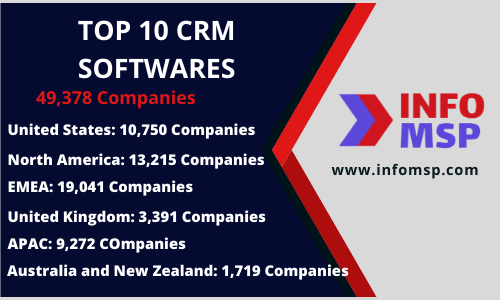
With Infomsp business Directory we have, MSPs and MSSPs – 50,000 Companies across Asia, Africa, North America, EMEA, Latin America, and ANZ. The USA alone has more than 30,000 MSPs and MSSPs.
GROWTH
Marketing Strategy
Increase Engagement with LinkedIn Members, Connect with relevant people Like, Share, and make introductions, Create compelling Content, Encourage referrals through existing customers Create a better online reputation, a positive review influences the reputation, ask customers to provide reviews on Google, Yelp, and other online platforms.
Titles: Owners, CEO, Founder, President, General Manager. CIO, IT VP, IT Directors, IT Managers, Engineers, Admins, etc. Finance – CFO, Finance VP/Director/Manager, Accounting, Tax, etc. Sales and Marketing – CMO, Marketing VP/Director/Manager, Sales/Business Development VP/Director/Manager, etc. HR – VP/Director/Manager, etc. Operations – VP/Director/Manager
The MSP Database business fields include
Contact Name, Contact Title, Email, Phone, LinkedIn Profile URL, Facebook Profile URL, Company Name, IT Services Offered, Website, Physical Address, Country, LinkedIn Company URL, Revenue, Employee Size.
The success of MSP business lies in Creating Productive Content with those who create great content, improving productivity, writing immersed content, and getting everything organized effectively across various channels.
The Following 8 Steps help in Creating Productive Content for MSP Business
1. Discovery & Ideas
Use client interactions, team meetings to discuss the topics and get their feedback on the content ideas and strategy for the audience you might want to write the content. Online tools definitely are useful for Keyword research for the content you decide to write, Buzzsumo/Moz are such tools you may use them. Regardless of the tools you use or team meetings you held, the final responsibility lies with brainstorming content ideas and creating a process to write product content based on well research and facts.
2. Writing and Editing
Ideas that you have to make a list of it, you need some serious thinking on it, before you start pounding the keyboard, Take advantage of free or paid writing tools, ContentIdeator is one such tool. Writing on the cloud helps keep documents safe and secure until you decide to publish, You may make use of Microsoft Office Document (https://www.office.com/) writer online free version to write on the cloud or Google Docs (https://docs.google.com/) is another great tool for writing and editing content before publishing them
3. Collaboration
Content collaboration within the company or outside to trustworthy partners, a content creation team can work on content while you focus on content strategy, content ideas, brand impact of the content, and how you interact with the target audience. You may collaborate with professionals, share ideas, strategize and outsource the content writing to professional writers
Make use of online content editing tools, writing error-free content tools, one such best editing tool for writing grammatical-error-free app is Grammarly.
4 Content Inspiration
Content inspiration or help finding the right ideas for the content, you may wish to look at some of the reader’s comments, audience meetings, team meetings, and taking inspiration from your partners, seeking their advice and guidance.
Instead of looking for the right product content, if you are always asking, “Who is doing what”, “What they are doing next”, “What should I do next”, then you are in a cycle of loop where coming out of it is possible with the right guidance from your team meetings, and digging deep into your workflow.
5. Reuse and repurpose content
Plan your content according to your present need and future reuse, for example You may create a set of different content, that you use into one big piece of article/post/book for its own usage/distribution. Or you make create one big productive content, which you may break into small parts for future reuse or repurposing.
6. Content marketing Workflow
The Stages of marketing workflow may look something like this:
Develop Content ideas
Prioritize content development
Create Content
Organize and store
Publish content and promote
7. Three words
The three words help differentiate your brand deciding how you want to say something to your readers/audience
Approachable: Concise and Easy to understand Authoritative: Content that is tested, Fact checked, and based on expert advice Actionable: Every Piece of content includes one very clear action
8. Graphics and Visuals (Images, Videos)
Do you know? a Well written article, images with good descriptions get 90% more views than those without images, an article with an image has 40-50% more chances of being shared on social media.
A Good image that visualizes the content, for good productive content is essential. There are many tools available over the internet which may utilize for making useful inspiration images to mention a few:
Canva
Adobe Spark
Pablo by Buffer
You can also source copyrights free images from SotckSnap.io (https://stocksnap.io/)
Making use of Pinterest for visualizing images for designing infographics Collecting Surveys, including customer feedback and insights by using SurveyMonkey or Typeform for collecting useful surveys
Conclusion
A Right Strategy, immersive ideas, collaboration with the team inside and outside the company, visualisation with infographics, content inspirations from customer feedback, partners insights, online tools for writing and editing grammatical-error-free content, and proper distribution of the written content, to generate the right positivity around it, making use of social media tools for sharing and getting people talking over it. With these 8 important points, an MSP can write inspirational productive content for their business.
Seasonal trends have played a big part in the managed services industry, and we monitor those trends closely to see where they are heading. Applying the industry standard rules, following the new trends is a key to a successful MSP business.
The IT market is transitioning from traditional on-site IT services to managed services.
What are some major trends that are shaping the managed services market?
A question asked of us every day regarding the health and well-being of companies that deliver managed services to customers of all sizes.
You have a little time to finish your migration to these new trends in the industry, so you can use these few weeks for early planning of the upcoming trends and adapt, change and fulfill the compliance required in these new-age trends
The smaller your market is, the more likely you are to use influencer marketing. If you’re a larger MSP, you’ll likely be looking for influencers within your market, instead of seeking the top influencers at the broader market level. In the first quarter of the year, MSPs driving IaaS sales to new heights with storage and server technologies was nearly double that of smaller partners.
IT security as a whole is a growing segment, but it differs for MSPs of different sizes. While MSPs of all sizes are seeing similar growth prospects for endpoint security, the majority of customers still rely on third-party IT security services. Loyal clients who spend their money on the services that they will most likely need to keep their business in order, IT security is a focus for many of the largest MSPs. Identity access management is a major growth opportunity.
Professionals will require more than just passion and expertise. So get ready to spend some time working out your best guess of what next year is going to look like, and draw up your ideas on how you can achieve it. IT departments need complete and robust services for their employees. Offering minimal viable services will not be enough anymore.
Executives don’t prefer to partner with and purchase from MSPs – they prefer to partner with and purchase from solution providers. To outline a strategy that works for you, you must know your current situation in order to get where you want to be. Every online marketing specialist has a unique audience. That’s what makes each and every one of them unique. There are many different MSP IT maturity levels.
Lower-growth MSPs have trouble gaining traction because they fail to offer an all-encompassing solution. An MSP has to provide comprehensive service solutions to its clients.
GDPR is a new ruling that is in full swing. You should be aware of it, and be prepared for it. The company should adopt this new trend in the industry. There is always the possibility of a cyber-attack on your organization. So, you need to make sure that your sensitive information won’t get hacked. IT experts damage their credibility if they do not follow the compliance requirements, there is a crippling risk of fines and could also endanger their MSP business.
Adapting to Seasonal Trends and follow up the industry standards, compliance with new industry rules, avoid non-compliance, put out things in a straight and clear format to the clients